
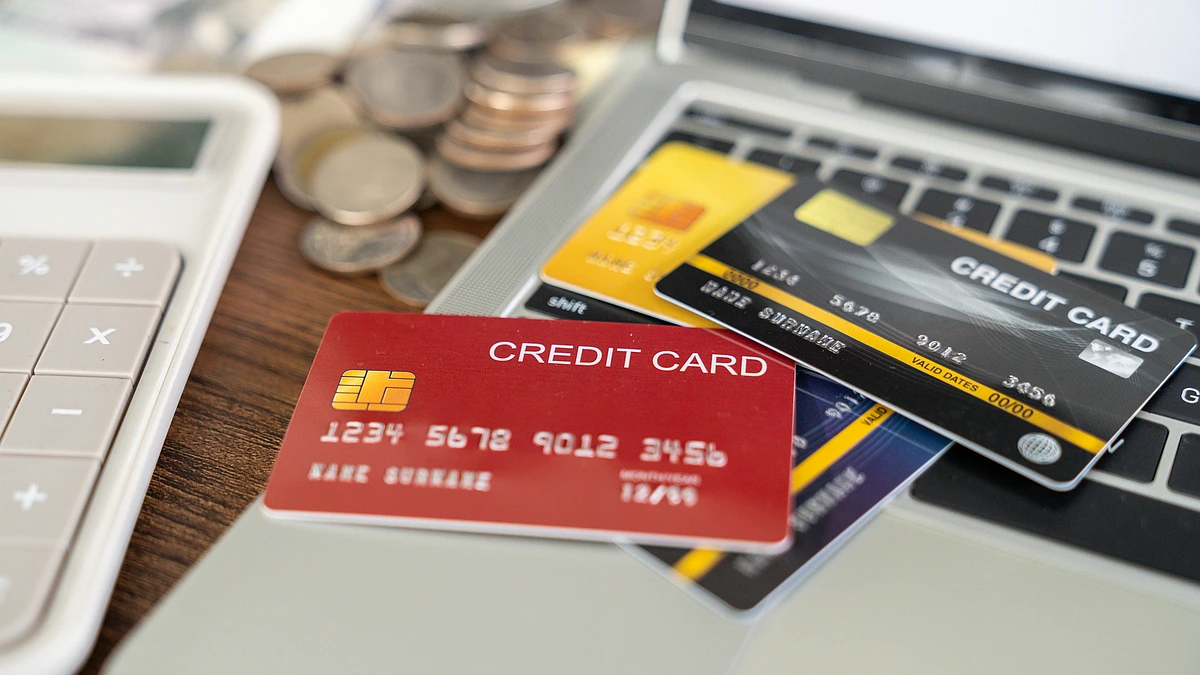
When used correctly, credit cards can be very useful financial tools. However, when used incorrectly, they can lead to debt and stress. In today’s fast-paced digital world, credit cards are more than just plastic. They are ways to get rewards, convenience, and financial freedom. But a lot of people make the same mistakes that hurt their credit score, add to their debt, and put unnecessary stress on their finances.
It’s just as important to know what to avoid as it is to know what to do, whether you’ve never used a credit card before or have been using them for years. This year, with interest rates going up and down, consumer trends changing, and lending rules getting stricter, it’s very important to be smart with your money. You can protect your credit score, lower your stress, and make the most of your financial opportunities by not making the most common credit card mistakes.
Having a Balance When You Don’t Need To
One of the most common myths about credit cards is that having a balance on them can help your credit score. This is not true at all. If you keep a balance, you’ll have to pay interest, and the longer you keep that balance, the more you’ll owe. Using credit responsibly, not having debt, is what helps your credit score. It’s best to pay your bill in full every month. This way, you don’t have to pay interest, but you still show lenders that you use credit wisely. It might seem easy to only pay the minimum, but it can keep you in a cycle of debt that gets harder to break as interest builds up over time.
Not Paying or Paying Late
The most important thing that affects your credit score is your payment history. One late payment can hurt your score a lot and stay on your credit report for years. Late payments not only hurt your credit, but they also come with fees and higher interest rates. If you miss a deadline by even a few days, you may have to pay late fees and have your annual percentage rate go up. It’s easy to stay on track if you set up automatic payments or reminders. To keep a good credit score and avoid paying extra fees, you need to be consistent and on time.
Going Over Your Credit Limit Too Much
Another big mistake is spending too much of your credit limit. Your credit utilization ratio, which compares your outstanding balance to your available credit, shows how much you use credit. A high utilization ratio tells lenders that you might be overextended or using too much credit. It’s best to keep your usage low all month, not just when the bill is due. Even if you pay off your card in full later, having a high reported balance can still hurt your score. Responsible spending keeps you in good standing with your creditors and keeps you from going into debt.
Submitting Too Many Applications for Cards
It’s easy to want to sign up for more than one credit card, especially when banks offer welcome bonuses, rewards, or cash-back deals. But every time you apply for a new credit card, it counts as a hard inquiry, which can lower your score a little. Lenders may think you’re risky if you apply for a lot of cards in a short amount of time. It’s better to apply for cards at different times and use the ones you already have wisely. It’s not how many credit cards you have that matters, but how well you use them.
Not paying attention to fees, terms, and interest rates
When people apply for a credit card, they often don’t read the fine print. Some credit cards have hidden fees, annual fees, or high interest rates after a certain amount of time. Not all credit cards are the same. Not knowing what these terms mean can lead to costly surprises later on. Before you apply, always check your card’s annual percentage rate, late payment fees, and penalty interest policies. It may seem boring to read the terms, but it will help you make better financial decisions and avoid paying extra fees.
Ending Old Credit Card Accounts
It might seem like a good idea to close old credit card accounts to make your finances easier, but it can actually hurt your credit score. The length of your credit history is one thing that affects your credit score. When you close an old account, you lower the average age of your accounts and may raise your credit utilization ratio. If the card doesn’t charge an annual fee, it’s usually best to keep it open and use it every now and then to keep your credit history up to date. A long, steady credit history shows lenders that you can handle your accounts well over time.
Falling for Credit Card Reward Scams
Credit card rewards programs can be fun because they give you cash back, travel points, and special deals. But a lot of people end up spending more than they should just to get those rewards. Spending too much money to get points often cancels out the benefits of the rewards. To use rewards wisely, you need to stick to your normal budget. Rewards should be a nice thing, not a reason to buy things you don’t need. Always keep in mind that keeping your finances stable is worth much more than any sale.
Not Paying Attention to Your Credit Card Statements
Not looking over your credit card statements every month is another common mistake. Many people think their charges are right, but billing mistakes and even fake transactions happen more often than people think. Checking your statement often helps you find unauthorized activity quickly and dispute it right away. It also helps you keep track of how much money you spend and stay within your budget. One of the easiest and most effective ways to stay financially healthy is to keep an eye on your account.
Not Keeping an Eye on Your Credit Score
Your credit score affects almost every big financial choice you make, like getting a loan or renting an apartment. Still, a lot of people who have credit cards never look at their score or credit report. Checking your credit regularly lets you find mistakes, see if someone has stolen your identity, and see how your spending habits affect your score. A lot of banks and free services now have tools that let you keep an eye on your credit score. Keeping an eye on your credit lets you fix small problems before they turn into big ones.
Questions that come up a lot
How can I keep from having to pay interest on my credit card?
Paying off your balance in full before the due date every month will keep you from having to pay interest. If you have a balance, you’ll have to pay interest on the rest of it.
Does closing a credit card improve my credit score?
In most cases, closing a card can lower your score because it lowers your available credit and shortens the length of your account history. Keeping older cards open is usually better.
How much credit should I use?
It’s healthy to keep your use below 30% of your total limit. The lower it is, the better your credit score usually is.
Can looking at my credit score make it go down?
A soft inquiry is when you check your own score, and it doesn’t hurt your credit. Your score can only go down a little bit if you apply for new credit and get a hard inquiry.
Are the rewards on credit cards worth it?
If you pay off your balance in full and use the card wisely, rewards can be helpful. But spending more than you can afford to get rewards is not the point.
The end
One of the best ways to keep your finances in order and your credit score safe is to stay away from common credit card mistakes. Lenders and banks are more focused than ever on responsible credit behavior in 2025. Small mistakes can have big effects that last a long time. Paying your bills on time, keeping track of your balances, knowing the terms of your card, and keeping an eye on your account are all simple but effective ways to keep your money in good shape.
You should be able to use a credit card to your advantage. When used correctly, it can help you build your credit history, earn valuable rewards, and give you more freedom with your money. But if you don’t take care of it, it can cause debt, stress, and missed chances. This year, take full control of how you use your credit cards and use them to make your financial future stronger, not weaker.