
Beginning
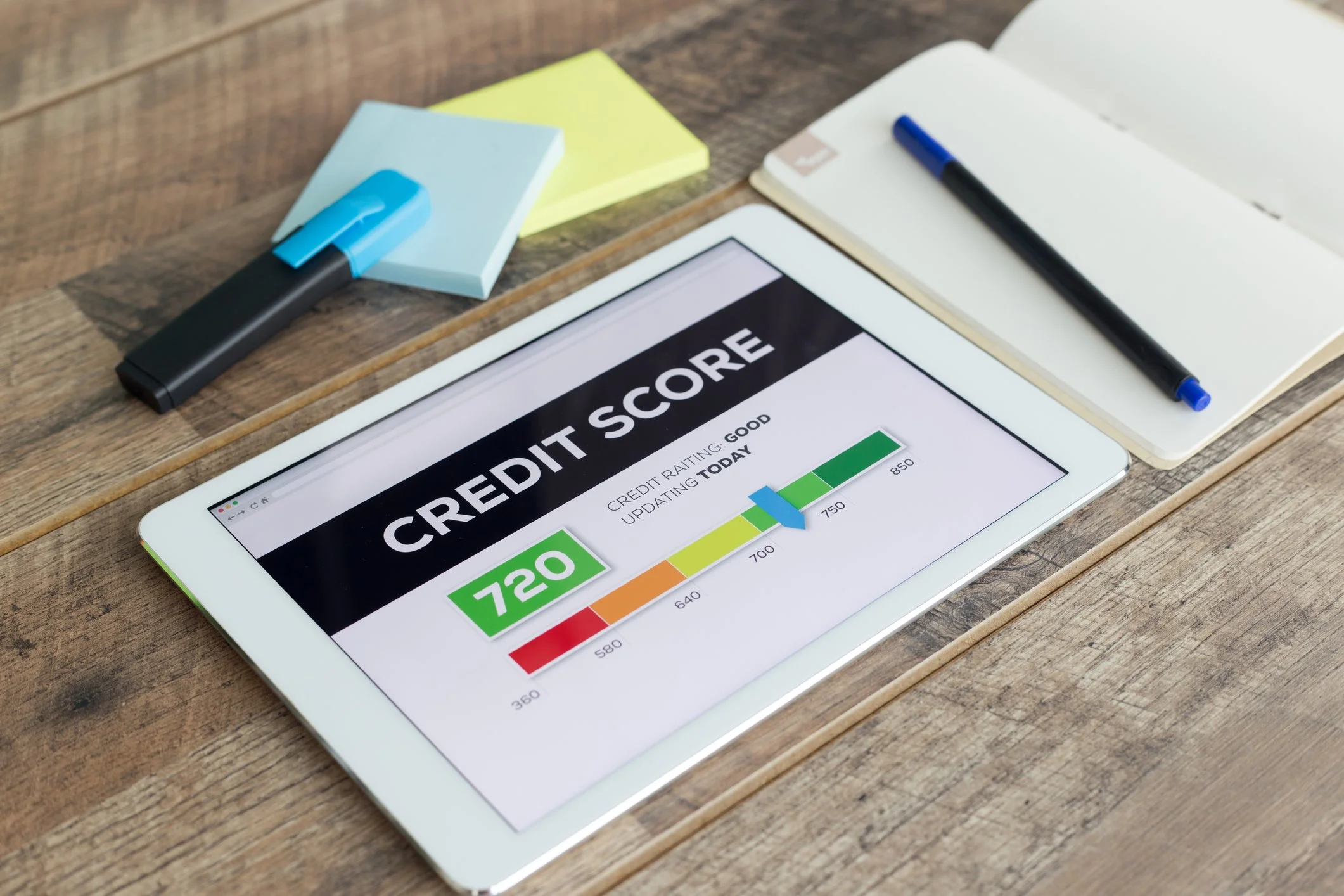
A lot of people don’t check their credit score because they think it will hurt their score. This common mistake can keep people from staying up to date on their financial health, which could lead to mistakes or missed chances. In 2025, it will be easier than ever to check your credit score because there are so many free and safe online tools that let you do it. To protect your creditworthiness and manage your money well, you need to know the truth about how credit inquiries affect your score.
What Happens When You Look at Your Credit Score
It is a soft inquiry when you check your own credit score. A soft inquiry happens when you or a business checks your credit for reasons other than lending you money. These questions have no effect on your credit score. Checking your score through a bank or credit card company, monitoring services, or even when a possible employer does a background check that includes a credit review are some examples.
On the other hand, hard inquiries happen when a lender looks at your credit as part of a loan or credit card application. Hard inquiries can lower your score for a short time because they show that you are looking for new credit, which could mean you are more likely to default. The main difference is that it’s safe to check your own credit, but getting a lot of hard inquiries in a short amount of time can lower your rating a little.
Why It’s Important to Keep an Eye on Your Credit Score
One of the best ways to stay financially healthy is to check your credit score often. Checking your score will help you understand how your spending habits affect your creditworthiness. For instance, paying bills late, having a lot of debt on your credit cards, or opening new accounts can all lower your score. Monitoring lets you know about these changes so you can fix them before they cause long-term damage.
You can also find mistakes or fraud by keeping an eye on things regularly. Someone who steals your identity can open accounts or make charges in your name, which can hurt your score a lot. Regular credit checks help you find mistakes early on, so you can dispute them quickly and limit the damage to your financial profile.
The Difference Between Soft and Hard Inquiries
It’s very important to know the difference between soft and hard inquiries. When you check your own credit, a lender pre-approves you for a loan without you asking for it, or an employer checks your credit as part of a background check, that’s a soft inquiry. Other lenders won’t see these questions, and they won’t change your score.
A hard inquiry, on the other hand, is when a lender looks at your credit report to decide whether or not to lend you money. When you apply for a new credit card, mortgage, or car loan, a hard inquiry happens. Hard inquiries can lower your score by a few points, and they usually stay on your report for up to two years. But if you ask for the same type of loan—like a mortgage or auto loan—more than once in a short amount of time, lenders will often treat it as one inquiry, which has less of an effect on your credit score.
How often should you look at your credit score?
Anyone who wants to stay financially healthy should make it a habit to check their credit score often. A lot of experts say you should check your score at least once a month, especially if you are trying to improve it, manage your debt, or apply for credit. You can now easily and safely get your score without worrying about hurting it with free tools and apps.
It’s also important to check your credit report once a year from each of the three major bureaus: Experian, Equifax, and TransUnion. AnnualCreditReport.com lets you get a free report from each bureau once a year. Checking your full reports on a regular basis makes sure that all of the information is correct and up to date, which gives you a full picture of your financial health.
The advantages of keeping an eye on your credit regularly
There are many benefits to checking your credit score on a regular basis. First, it helps you keep track of your finances and see how they are getting better or worse. You can change how you spend your money, pay off debt, or fight wrong information before it hurts you in the long run.
Second, keeping an eye on your score helps you get ready for big financial choices. Knowing your score ahead of time can help you choose the best options and avoid surprises when you buy a house, get a loan for a car, or apply for a new credit card.
Finally, keeping an eye on things can stop identity theft from doing long-term damage. Credit monitoring tools or apps send you alerts when something unusual happens, so you can act quickly.
Things People Think About Checking Their Credit Score
One of the most common myths is that looking at your own credit score will hurt it. As we talked about, this is not true. Checking your own score is a soft inquiry and does not affect your credit. Another common myth is that lenders will think you are risky if you look at your report too often. In reality, lenders only see hard inquiries about credit applications; they don’t see your personal checks.
Some people think that if they have good money habits, they don’t need to keep an eye on their score. Even though it’s important to pay bills on time and keep low balances, mistakes, errors, and fraud can still happen. Regular monitoring is a safety net that helps find and fix problems early.
Questions that Come Up a Lot
Does looking at my own credit score hurt it?
No. Checking your own credit score is a soft inquiry, which means it won’t change your score in any way. It is safe and a good idea.
What is a hard inquiry, and how does it affect my score?
When a lender checks your credit as part of a loan or credit card application, that’s called a hard inquiry. It can lower your score by a few points, and it stays on your report for up to two years.
How often should I look at my credit score?
Monthly checks are best, especially if you’re dealing with debt or making big financial decisions. It’s also a good idea to look at your full credit reports from each bureau once a year.
Can looking at my credit stop fraud?
Checking your score alone won’t stop fraud, but it will help you find strange activity early. Using credit monitoring tools makes this protection even better.
Are tools for free credit monitoring trustworthy?
Yes, a lot of free tools send you accurate updates and alerts about your credit score. Look into tools that keep an eye on all three credit bureaus and send you fraud alerts for full protection.
Conclusion
Checking your credit score is a safe and responsible thing to do that gives you important information about your financial health. The truth is that checking your own score doesn’t hurt it. In fact, it can help you avoid making mistakes, spot fraud, and make smart choices about how to borrow and spend money. You can take charge of your financial future by knowing the difference between soft and hard inquiries, checking your reports often, and using monitoring tools wisely. In 2025, staying up to date is not only helpful, but also necessary for keeping a strong, safe credit profile and reaching your financial goals.