
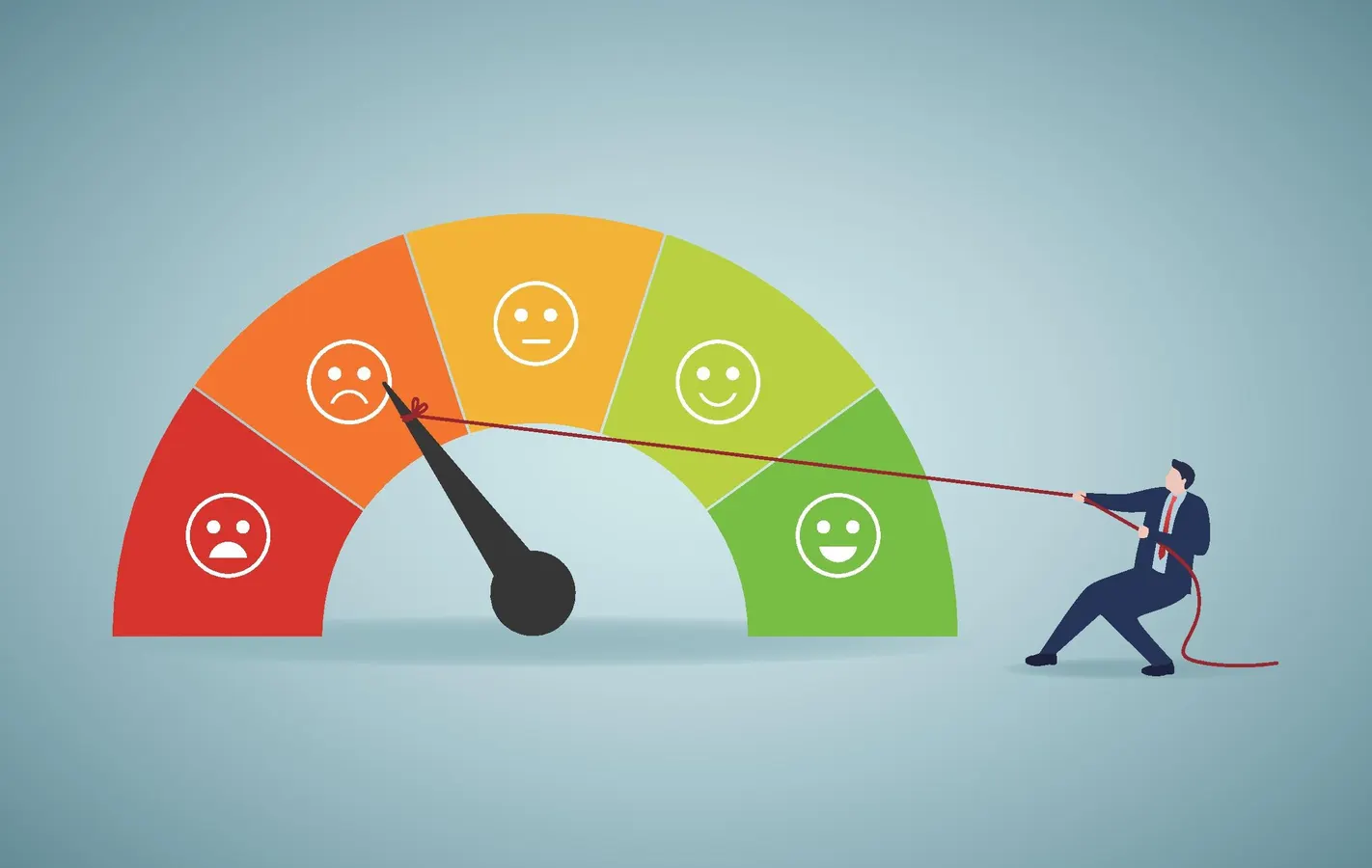
Maintaining excellent credit is not about luck—it’s about consistent habits and smart financial decisions. Having a good credit score can help you get loans with lower interest rates, get jobs, and more. A lot of people think that getting good credit is a one-time thing, but the truth is that it takes work and discipline all the time. In 2025, when more lenders use advanced scoring models, it’s more important than ever to get into the habit of doing things that will help your credit score. The good news is that keeping good credit doesn’t require complicated plans; it’s just a matter of doing small things consistently over time.
Always pay your bills on time.
A clean payment history is the key to having good credit. Your credit score is mostly based on your payment history, so it’s very important to pay your bills on time. Your score can go down if you miss a payment by just a few days, and it can stay on your credit report for years. You won’t miss a due date if you set up automatic payments or reminders. Paying your bills in full every month also stops interest from building up, so you can enjoy the benefits of credit without having to pay extra. Consistent, on-time payments show lenders that you can be trusted and help keep your credit score at the top.
Keep your credit use low.
Another important thing to do to keep your credit score high is to keep your credit utilization low. This is the ratio of your outstanding balances to your total available credit. High utilization can show lenders that you depend too much on credit, even if you always pay your bills on time. Experts say that you should keep your utilization below 30%, and even better, below 10% if you want to have great credit.
To do this, make sure to pay off your balances on time, don’t max out your cards, and if you need to, use multiple cards to spread out your spending. Low utilization not only helps you keep a high credit score, but it also gives you financial freedom in case of unexpected costs.
Check Your Credit Often
Your credit report can still have mistakes or fraud on it even if you do everything right. Checking your credit score and reports often helps you find mistakes quickly and fix them. You can keep an eye on your credit in real time without hurting your score with free tools, apps, and services. Finding problems quickly, like unauthorized accounts or wrong balances, protects your good credit rating and stops long-term damage. Keeping an eye on your credit also helps you understand what affects your score, so you can change how you handle your money before it hurts your score.
Keep Hard Inquiries to a Minimum
When lenders look at your credit report to decide whether to give you a loan or credit card, that’s called a hard inquiry. One inquiry doesn’t have much of an effect, but several inquiries in a short amount of time can lower your score for a short time. Don’t apply for more than one credit card or loan at a time unless you have to. If you’re looking for a mortgage or car loan, try to compare rates all at once, usually between 14 and 45 days, so that all of your requests are counted as one. Keeping track of how many hard inquiries you make helps keep your good credit over time.
Keep a Variety of Credit Types
Having different kinds of credit, like credit cards, installment loans, and retail accounts, can help your credit score. Lenders want to know that you can handle different kinds of credit responsibly. But you should only take on credit that you can handle and not open accounts that you don’t need. Taking care of a mix of credit shows that you can handle different types of debts and helps your credit score.
Keep your old accounts open.
Your credit history’s length is an important part of your score. Lenders can see that you have a long history of handling credit responsibly by looking at your older accounts. Even if they don’t have any balance, closing old credit cards can lower your average account age and possibly your score. Instead, keep your old accounts open and make small purchases with them from time to time, paying them off in full each month. This easy habit keeps your account history up to date and helps you build good credit.
Be careful with how much you spend and how much debt you have.
It’s not just about paying your bills and keeping your accounts in good shape; it’s also about how you handle your money in general. Don’t take on more debt than you can handle, and make saving as important as spending. Paying off your debts on time, not buying things you don’t need, and living within your means are all ways to stay in good standing with lenders. To have good credit, you need to manage your credit responsibly and make smart financial choices every day.
Questions that come up a lot
How often should I check my credit to keep it in good shape?
You should check your credit at least once a month and look over your full credit reports from all three bureaus once a year to find mistakes or fraud early.
Can closing old accounts hurt my credit?
Yes. Closing old accounts can make your credit history shorter and your credit utilization ratio higher. Keeping old accounts open helps your score stay high.
Does paying off debt right away help your credit?
Paying off debt can quickly raise your score, especially if you lower your credit utilization. But long-term habits that are consistent are what really make things better.
Is it good to have more than one credit card?
Using multiple cards responsibly can help you keep track of your spending, but only if you can pay off the full balance. Spending too much on multiple cards can hurt your credit.
Can good habits keep identity theft from hurting your credit?
Monitoring your credit is one way to help find identity theft, but other steps, like freezing your credit and using alerts, make it even safer.
Conclusion
You can keep your credit score high in 2025 by following simple, regular habits. Paying bills on time, keeping credit usage low, keeping an eye on your accounts, limiting hard inquiries, keeping a mix of credit types, and keeping old accounts open are all important for good financial health. Each of these things may not seem like much on its own, but together they make a strong base for a high credit score. By developing these habits, you can not only protect your credit, but also open up new financial opportunities, lower the cost of borrowing, and have peace of mind for a long time. A good credit score is more than just a number; it shows how disciplined, consistent, and smart you are with your money.