There are always surprises in life, some good and some bad. Emergencies can happen when we least expect them, like when we have to pay for car repairs, medical bills, or even lose our jobs temporarily. This is when an emergency fund becomes your financial safety net, giving you peace of mind and security. But if the idea of saving more money makes your wallet feel tight, don’t worry. You don’t have to feel stressed or overwhelmed when you build an emergency fund. Anyone can build up a financial cushion without giving up their daily comforts if they plan ahead and take small, regular steps.
Why it’s important to have an emergency fund
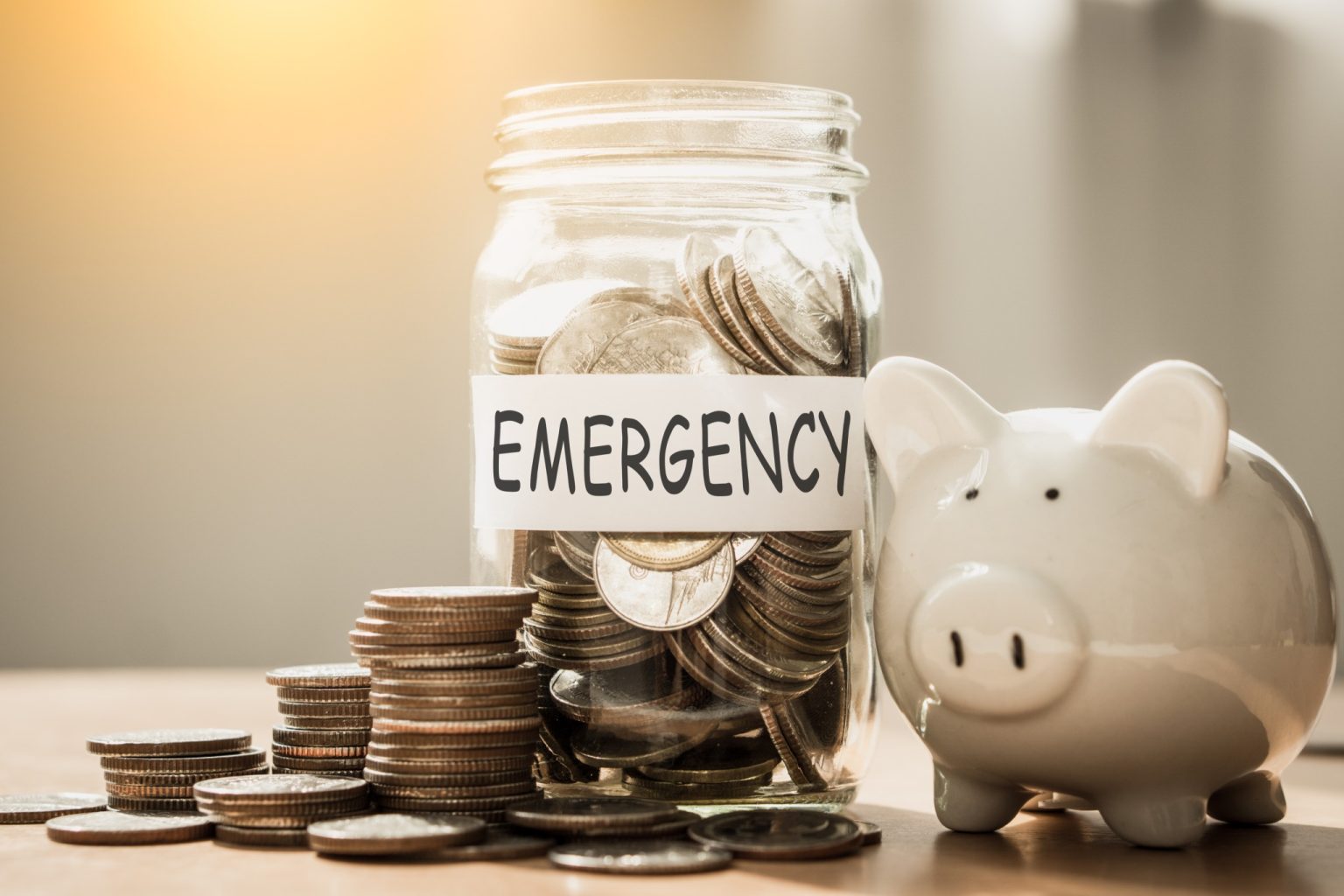
Money set aside for unexpected costs is called an emergency fund. These funds are only for emergencies, not for things like saving for a vacation or a new gadget. Experts usually say you should save enough money to cover three to six months’ worth of living costs. However, the exact amount will depend on your lifestyle, how stable your income is, and your financial obligations.
Having an emergency fund offers several benefits: it prevents debt accumulation, reduces financial stress, and allows you to handle sudden expenses without disrupting your long-term financial goals. In short, it acts as a buffer, allowing you to face life’s surprises with confidence.
Begin with small steps and stick with them.
A lot of people put off saving thousands of dollars because they feel overwhelmed when they think about it. The most important thing is to start small. Saving $10 to $50 a week can add up to a lot over time. The key is to be consistent. Open a separate savings account just for your emergency fund, and set up automatic transfers so that the money grows steadily without you having to think about it every week.
Discipline also comes from being consistent. As your savings grow, they can motivate you to keep going and make the process feel rewarding instead of like a chore. Keep in mind that even small donations can add up over time.
Find Costs That Aren’t Needed
To build an emergency fund, you don’t always have to cut back on important spending. Instead, you can make your budget work better so you have more money to save. To begin, keep track of your monthly spending and look for places where you can save money. Subscriptions you don’t use very often, going out to eat a lot, or buying things on a whim are all common areas.
For instance, if you go out to eat five times a week instead of twice a week, you can save a lot of money that can go straight into your emergency fund. Instead of completely cutting back, the most important thing is to make changes that are realistic and long-lasting. Over time, small changes to your daily life can have a big effect.
Be smart with extra money and windfalls
Extra money that comes in unexpectedly, like a bonus or freelance work, can help your emergency fund grow faster. It’s easy to want to spend extra money right away, but it’s a good idea to put some or all of it into your emergency fund. Even small bonuses, tax refunds, or cashback rewards can help you reach your savings goal without affecting your regular budget.
If you can, think about putting a set percentage of all your extra money into your fund. This method makes sure that your emergency savings grow faster without making your daily finances more stressful.
Make saving easy and automatic
Automation is one of the easiest ways to add to your emergency fund. Many banks let you set up automatic transfers from your checking account to a separate savings account every week or month. This “out of sight, out of mind” method keeps you from spending the money and makes sure it grows steadily.
Also, think about using apps or tools that round up your daily purchases and put the extra money into your savings. For example, if you buy coffee for $4.75, the app rounds it up to $5.00 and puts $0.25 into your emergency fund. These small contributions may not seem like much, but they add up over time without changing how you spend your money every day.
Set goals that are possible and keep track of how you’re doing.
Setting goals that are too high is a common reason why people give up on their savings plans. Instead of trying to save thousands right away, set smaller, more doable goals. For instance, start by saving $500, then $1,000, and so on. Celebrate every milestone. This will encourage good behavior and keep your motivation high.
Keeping track of progress is just as important. Charts and apps that show you how far you’ve come can help you remember. It’s easier to stick with it and less stressful to keep saving when you see real results.
Put your emergency fund ahead of spending that isn’t necessary.
It’s easy to want to spend extra money on lifestyle improvements or luxuries, but your emergency fund should stay at the top of your list of things to do until it reaches a comfortable level. Don’t use it to buy things that aren’t emergencies, or you might not get what you want. Keep in mind that this fund is for financial security, not for making spending easier.
It’s a good idea to find a balance between what you want right now and what will keep you safe in the long run. Set aside a small amount of extra money to treat yourself every now and then, but make sure that most of it goes into your emergency savings account.
Questions and Answers About Building an Emergency Fund
1. How much money do I need to keep in my emergency fund?
Most experts say you should save enough money to cover your living costs for three to six months. If your income isn’t steady, try to save more so you can go longer without money. Start with a small amount and work your way up.
2. Where should I put my emergency money?
Put it in a separate savings account that you can easily get to but that isn’t too easy to spend on things that aren’t emergencies. High-yield savings accounts are great because they keep your money safe and earn interest at the same time.
3. How long will it take to save up enough money for an emergency?
The time frame depends on how much money you make, how much you save, and how much you spend. If you start small and keep giving, you can reach your goal in a few months to a couple of years. Automation and making extra money can speed up this process a lot.
4. Is it okay to use my emergency fund to pay for regular bills?
Only in very rare cases when something unexpected happens and your regular income isn’t enough. Using it regularly for planned expenses goes against the point of having a safety net.
5. Can I put my emergency fund to work?
No, usually not. Emergency funds should be easy to get to and cash. When you need money the most, investing in stocks or other risky assets can mean losing money. Use safe, liquid options like savings accounts or money market accounts.
In conclusion
It doesn’t have to be hard or scary to build an emergency fund. Anyone can build a financial safety net that gives them peace of mind by starting small, sticking to it, cutting out unnecessary costs, and making saving automatic. Every little bit helps, so don’t forget that. The journey to financial security is just as important as the goal. By putting your emergency fund first today, you’re not only saving money, but you’re also making your future more stable and lowering your financial stress. Take charge of your financial health today; your future self will be grateful.